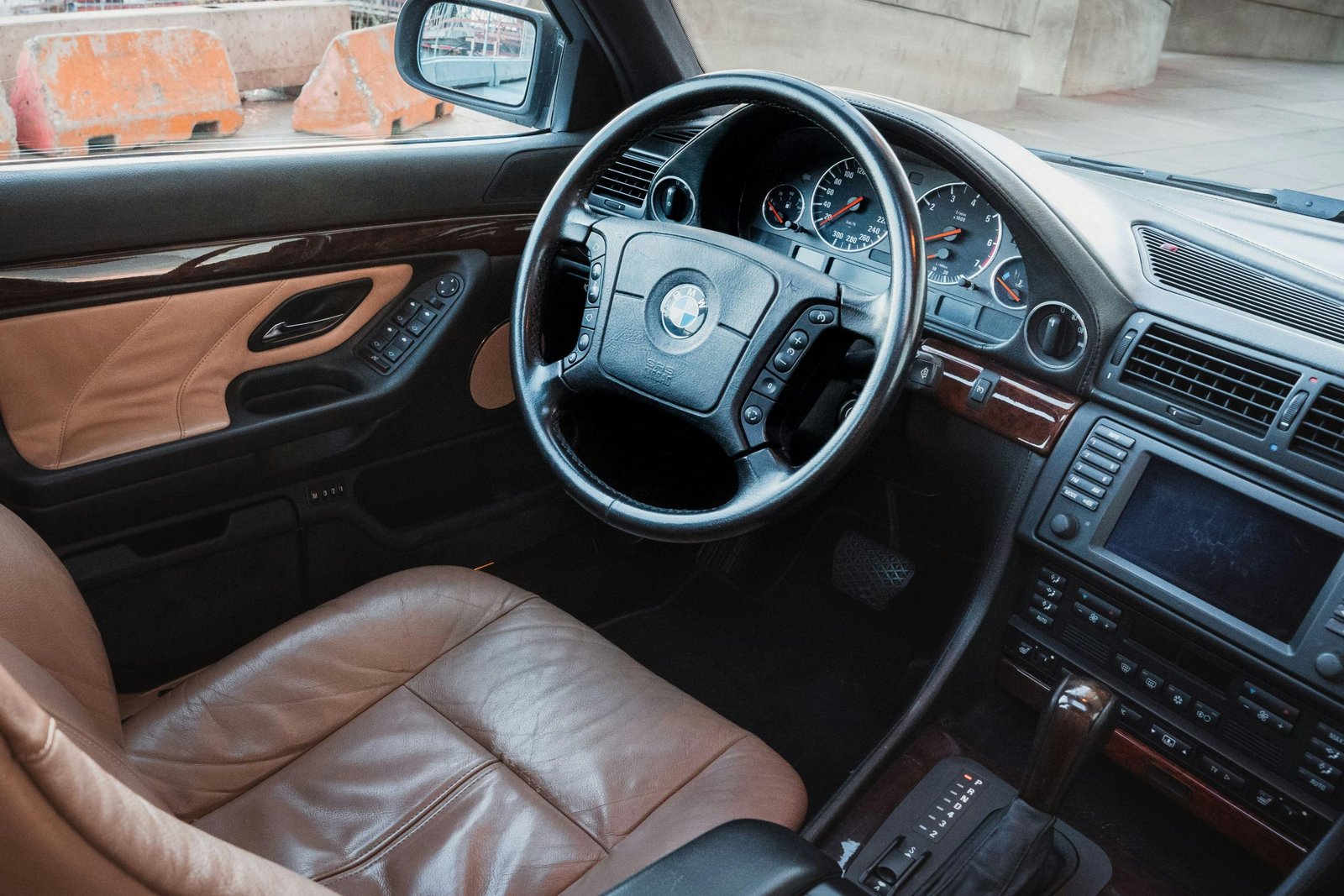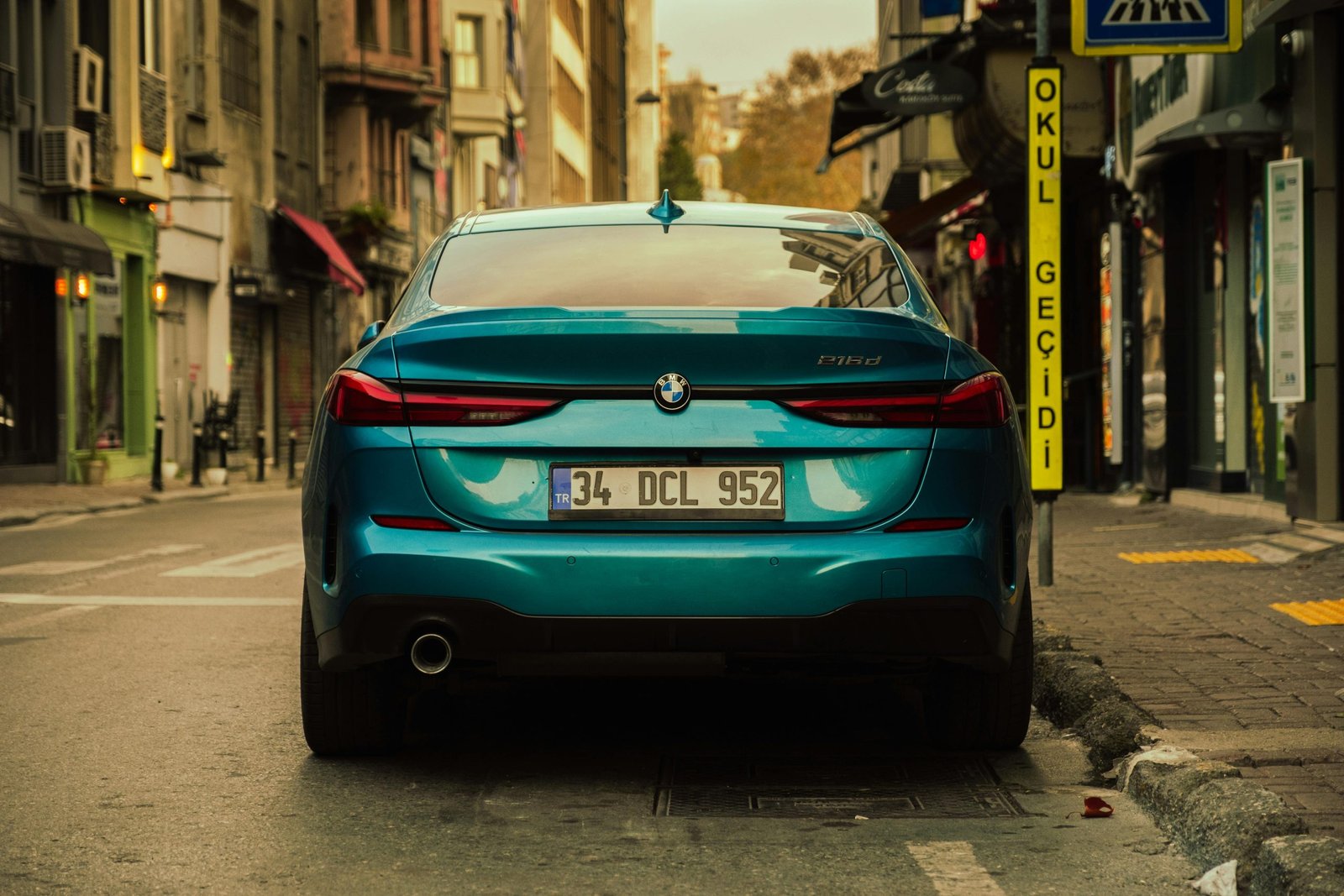
When you step inside a BMW, you’re not just entering a vehicle — you’re entering a space where cutting‐edge technology meets exceptional comfort. BMW has earned its reputation not only for dynamic performance on the road but also for interiors that feel refined, intuitive, and intelligently crafted.
In this comprehensive article, we’ll explore how BMW designs its interiors, how technology and comfort work together, and why the brand’s cabins consistently rank among the best in the automotive world.
The Philosophy Behind BMW Interior Design
At its core, BMW interior design revolves around one main goal:
To create an environment that enhances the driving experience, rather than distracting from it.
This philosophy focuses on seamless integration of technology, premium materials, convenience, and driver engagement. The result is an interior that feels modern without being overwhelming — familiar yet forward‑thinking.
1. Driver‑Focused Cockpit: Technology Within Reach
Every BMW interior is designed with the driver in mind. Unlike many cars where controls are scattered or hidden deep in menus, BMW places the most important functions where the driver instinctively expects them.
🔹 Key Features of BMW Cockpit Design
- Angled center console — tilts toward the driver for easy access
- Clear instrument cluster — essential information in view without distraction
- Physical controls + touchscreen — the best of both worlds
- Heads‑up display (in many models) — projects speed and directions directly onto the windshield
This approach ensures that technology supports the driver rather than competes for attention.
2. Intuitive Infotainment: BMW iDrive System
BMW’s iDrive infotainment system has become one of the most highly regarded in the industry for its ease of use and responsiveness.
🚀 Why iDrive Stands Out
- Simple menu structure — easy to learn and navigate
- Rotary controller + touchscreen — multi‑input flexibility
- Voice control — hands‑free convenience
- Wireless smartphone integration (Apple CarPlay & Android Auto)
The system evolves with each new generation, continually improving user experience while staying familiar to long‑time BMW owners.
3. Premium Materials and Craftsmanship
BMW interiors reflect a commitment to quality that goes beyond surface aesthetics.
🛋️ Material Highlights
- Soft‑touch leathers and suede trims
- Real wood, brushed aluminum, or carbon fiber accents
- Precise stitching and clean panel gaps
- Ambient lighting tailored to driving mode
These materials not only look luxurious, they feel exceptional — enhancing tactile comfort and durability.
4. Comfortable Seating for Every Journey
Comfort doesn’t just mean plush seats — it means ergonomics engineered for real driving conditions. BMW uses decades of research into posture and support to create seats that reduce fatigue, even on long journeys.
💺 Features That Improve Comfort
- Multi‑way power seats with memory settings
- Lumbar support for long rides
- Heated and ventilated options for all‑season comfort
- Sport seats in performance‑oriented models for extra support
Whether cruising on the highway or navigating winding roads, BMW seats are designed to keep you relaxed and connected.
5. Technology That Enhances Safety and Awareness
BMW’s interior technology doesn’t stop at comfort and entertainment — it actively helps keep drivers informed and safe.
🧠 Advanced Safety Features
- Lane keep assist
- Adaptive cruise control
- Automatic emergency braking
- Blind‑spot detection
- Surround‑view cameras
These systems integrate seamlessly into the interior displays, offering intuitive alerts without overwhelming the driver.
6. Ambient and Functional Lighting
BMW uses lighting in the cabin not just for aesthetics, but to subtly support usability.
🌟 Ambient lighting creates a relaxing mood and enhances the feeling of space.
🔆 Functional lighting ensures controls and displays are visible without glare, even at night.
Drivers can often customize the lighting color, brightness, and mood — adding a personal touch to the cabin atmosphere.
7. Sound Comfort and Acoustic Design
A quiet cabin enhances both comfort and the sensation of luxury. BMW uses advanced acoustic engineering to reduce road noise and vibration.
Features include:
- Laminated acoustic glass
- Strategic insulation
- Engine and wind noise dampening
This focus on sound comfort makes conversations easier and reduces fatigue on long drives.
8. Connectivity for the Modern Driver
BMW interiors are designed for the connected world. Whether you’re syncing your smartphone or using voice commands, the technology works intuitively.
📱 Wireless Apple CarPlay & Android Auto
🔌 USB‑C charging ports throughout the cabin
📶 Wi‑Fi hotspot options
🛣️ Integrated navigation with real‑time traffic updates
These features ensure that drivers stay connected without distraction.
9. Flexible Interior Space for Practicality
Great design isn’t only about luxury — it’s also about functionality.
BMW cabins often include:
- Well‑placed storage compartments
- Adjustable rear seating
- Split‑fold rear seats for cargo versatility
- Intelligent cabin layouts that maximize usable space
This makes BMW interiors not only comfortable but also practical for daily life.
10. Future‑Ready Interiors
As technology evolves, so do BMW interiors. The brand continues to integrate new innovations, including:
- Gesture control — interact with the infotainment with simple hand movements
- Augmented reality navigation — overlays directions on real‑world visuals
- Advanced driver‑assist displays — providing context‑aware alerts
- Connected services and over‑the‑air updates — improving features without dealership visits
These advances show BMW’s commitment to making interiors not just comfortable, but forward‑thinking.