Few automotive brands have shaped the world of performance driving quite like BMW. Known globally for its “Ultimate Driving Machine” philosophy, BMW has consistently blended engineering precision, motorsport innovation, and everyday usability into vehicles that excite drivers.
From early sport sedans to modern high-performance hybrids, BMW’s journey through performance engineering reflects decades of refinement, racing success, and technological advancement. In this comprehensive guide, we explore how BMW performance cars evolved — and why they remain a benchmark for driving enthusiasts worldwide.
The Early Foundations: Performance Begins (1960s–1970s)
BMW’s performance reputation began long before the iconic M badge existed.
The Neue Klasse Era
In the 1960s, BMW introduced the “Neue Klasse” (New Class) sedans, which revived the company’s fortunes and established its reputation for sporty yet practical vehicles. These cars featured lightweight construction, responsive engines, and balanced handling — traits that would define BMW performance for generations.
One of the standout models of this period was the BMW 2002, especially the turbocharged variant. It proved that compact sedans could deliver serious performance while remaining practical for daily use.
Birth of BMW M: Motorsport Influence (1970s–1980s)
In 1972, BMW created BMW M GmbH to manage its racing efforts. This decision would forever transform BMW’s performance legacy.
The Legendary BMW M1
The first true M production car was the BMW M1, a mid-engine sports car developed with racing intentions. Though produced in limited numbers, it showcased BMW’s capability to build a pure performance machine.
The M1 set the foundation for what the “M” badge would represent:
- Motorsport DNA
- Advanced engineering
- Driver-focused performance
The Rise of Performance Sedans (1980s–1990s)
BMW took performance into everyday practicality with the introduction of high-powered sedans.
BMW M3: A Cultural Icon
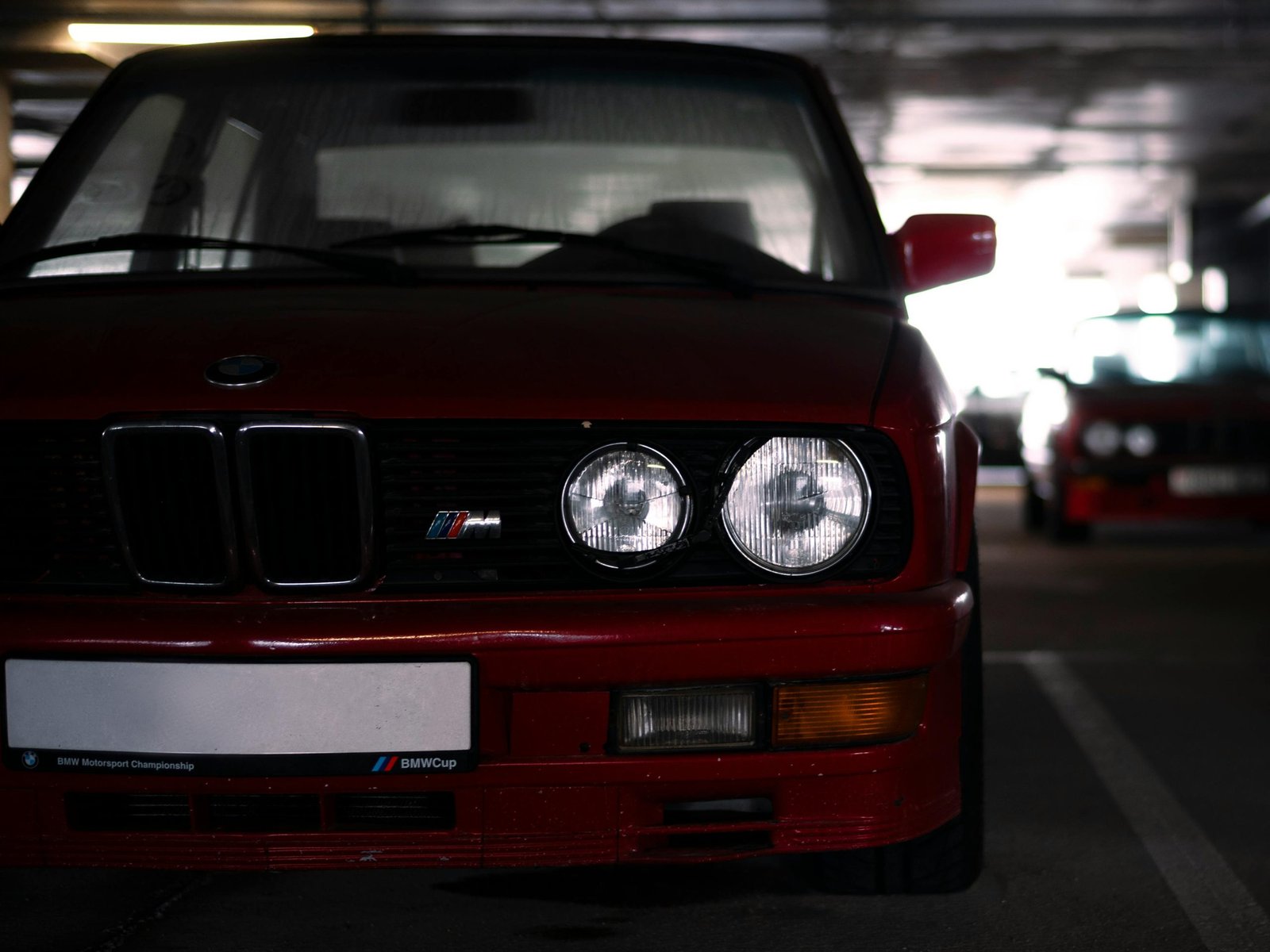
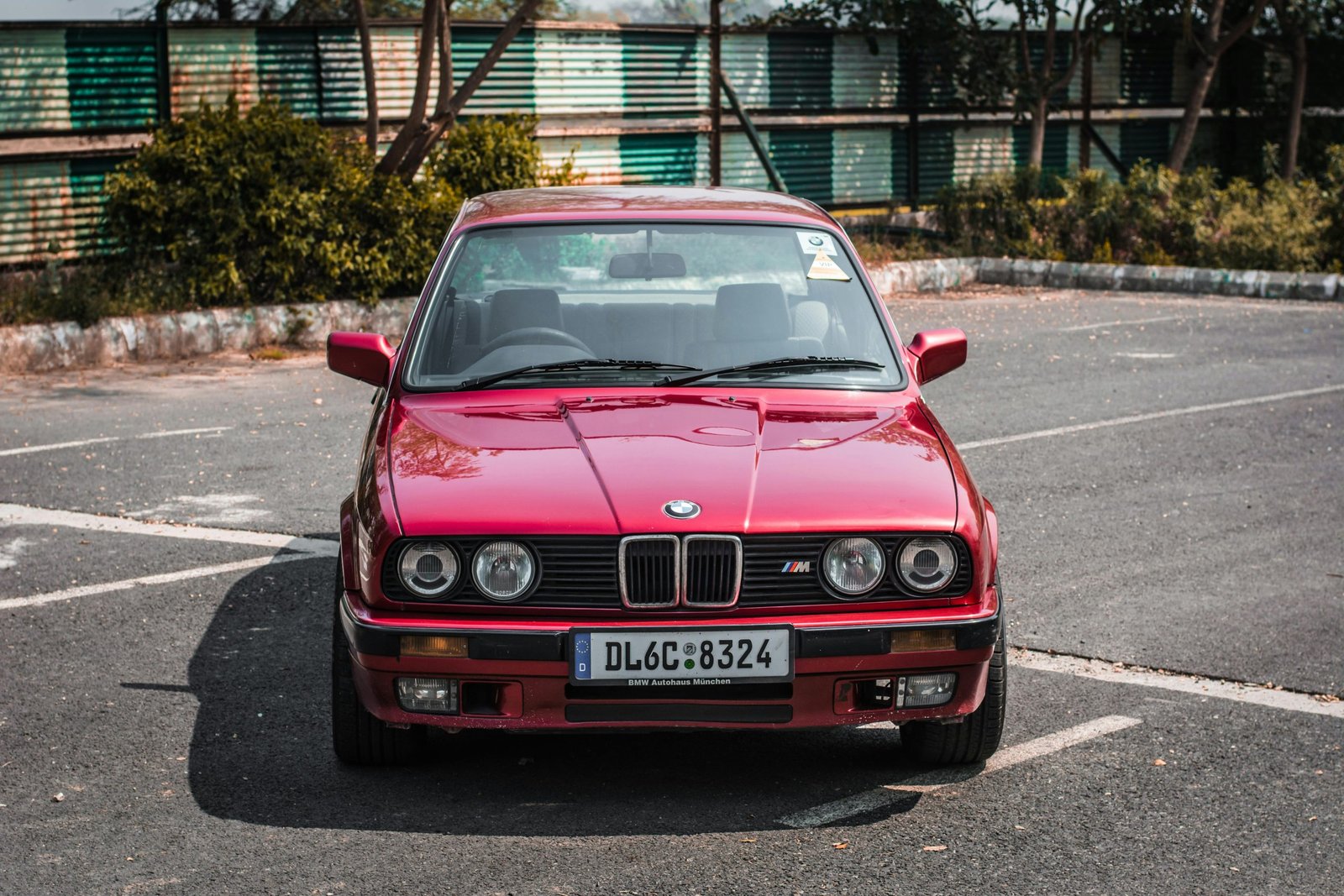
The debut of the BMW M3 in the 1980s revolutionized the sports sedan segment. Originally designed for racing homologation, the M3 combined lightweight construction with sharp handling and high-revving engines.
Over multiple generations, the M3 evolved from a track-oriented machine into a refined yet powerful performance sedan, maintaining its driver-first identity.
BMW M5: Power Meets Luxury
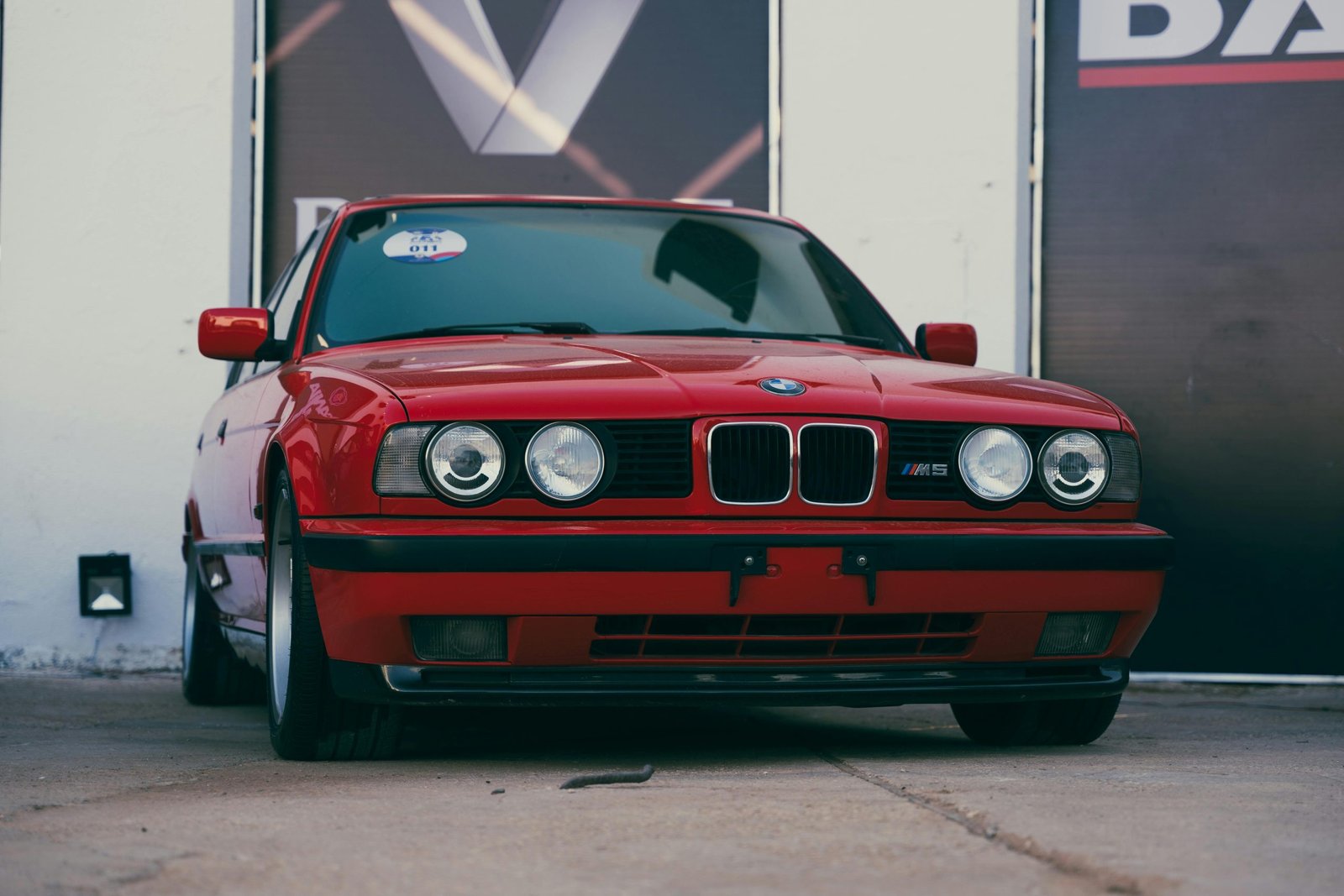
Following the M3’s success, BMW introduced the BMW M5, blending executive comfort with extraordinary speed.
The M5 demonstrated that luxury sedans could offer supercar-level acceleration while retaining daily usability — a formula that competitors would later attempt to replicate.
Engineering Advancements: 2000s Innovation
The 2000s marked a period of rapid technological growth.
High-Revving Engines
BMW experimented with naturally aspirated inline-six and V8 engines, pushing rev limits higher than ever. Enthusiasts admired these engines for their:
- Linear power delivery
- Unique exhaust notes
- Track-ready responsiveness
During this era, BMW performance models gained advanced stability control systems and improved aerodynamics.
Introduction of Turbocharging
As emission standards tightened and efficiency became a global focus, BMW transitioned toward turbocharged engines. While some purists initially questioned the change, turbocharging allowed BMW to:
- Increase torque output
- Improve fuel efficiency
- Enhance real-world drivability
Modern M engines combine turbocharging with precision tuning to deliver exceptional performance without sacrificing reliability.
Expansion into New Segments (2010s)
BMW performance was no longer limited to sedans and coupes.
Performance SUVs
BMW introduced high-performance SUVs under the M badge, proving that larger vehicles could still deliver thrilling driving dynamics.
These vehicles offered:
- Elevated driving position
- Strong acceleration
- Advanced all-wheel-drive systems
This move expanded BMW’s performance appeal to a broader audience.
Advanced Driving Technology
The 2010s also saw rapid digital integration:
- Adaptive suspension systems
- Customizable drive modes
- Enhanced traction management
- Advanced infotainment interfaces
Drivers could tailor their car’s behavior with precision, shifting between comfort and aggressive track settings.
The Electrification Era (2020s and Beyond)
As the automotive world shifts toward electrification, BMW performance cars continue evolving.
Hybrid and Electric Performance
Modern BMW performance vehicles increasingly integrate:
- Electrified powertrains
- Instant torque delivery
- Advanced energy management systems
Electric performance introduces a new dimension — immediate acceleration combined with refined control.
Yet BMW maintains its core identity:
Delivering engaging, driver-focused experiences.
Key Characteristics That Remain Consistent
Despite decades of change, BMW performance cars consistently share several defining traits:
1. Balanced Handling
Near-perfect weight distribution ensures confident cornering.
2. Driver-Centered Interiors
Cockpits designed to prioritize focus and control.
3. Motorsport Heritage
Technology developed from racing continues to influence production vehicles.
4. Everyday Practicality
Unlike many exotic performance brands, BMW combines speed with usability.
Why BMW Performance Cars Continue to Lead
The evolution of BMW performance cars demonstrates adaptability without losing identity. From the classic 2002 to modern electrified M models, BMW has consistently refined its formula:
- Precision engineering
- Performance innovation
- Driver engagement
- Refined luxury
Few brands manage to evolve so dramatically while preserving their performance philosophy.