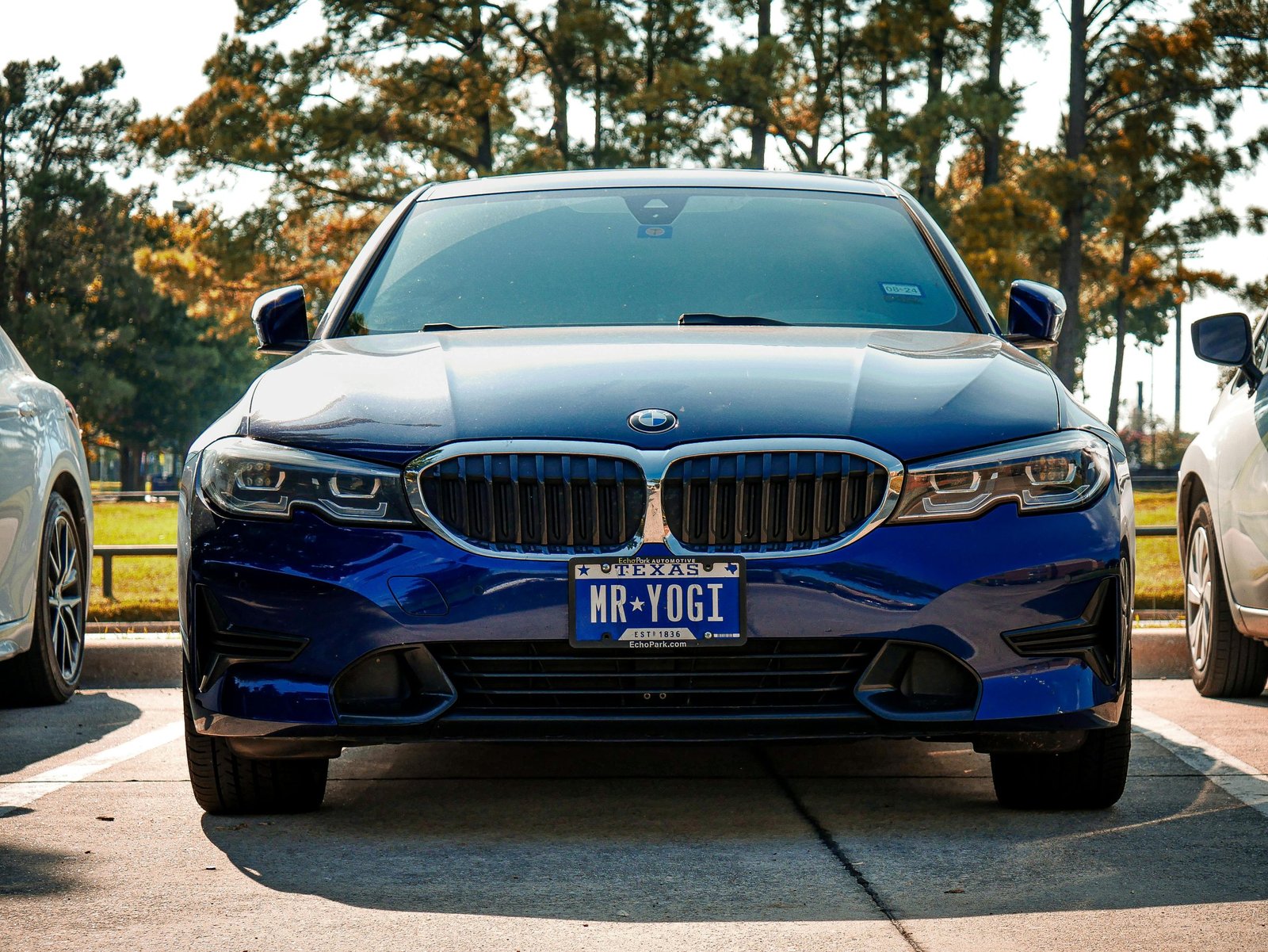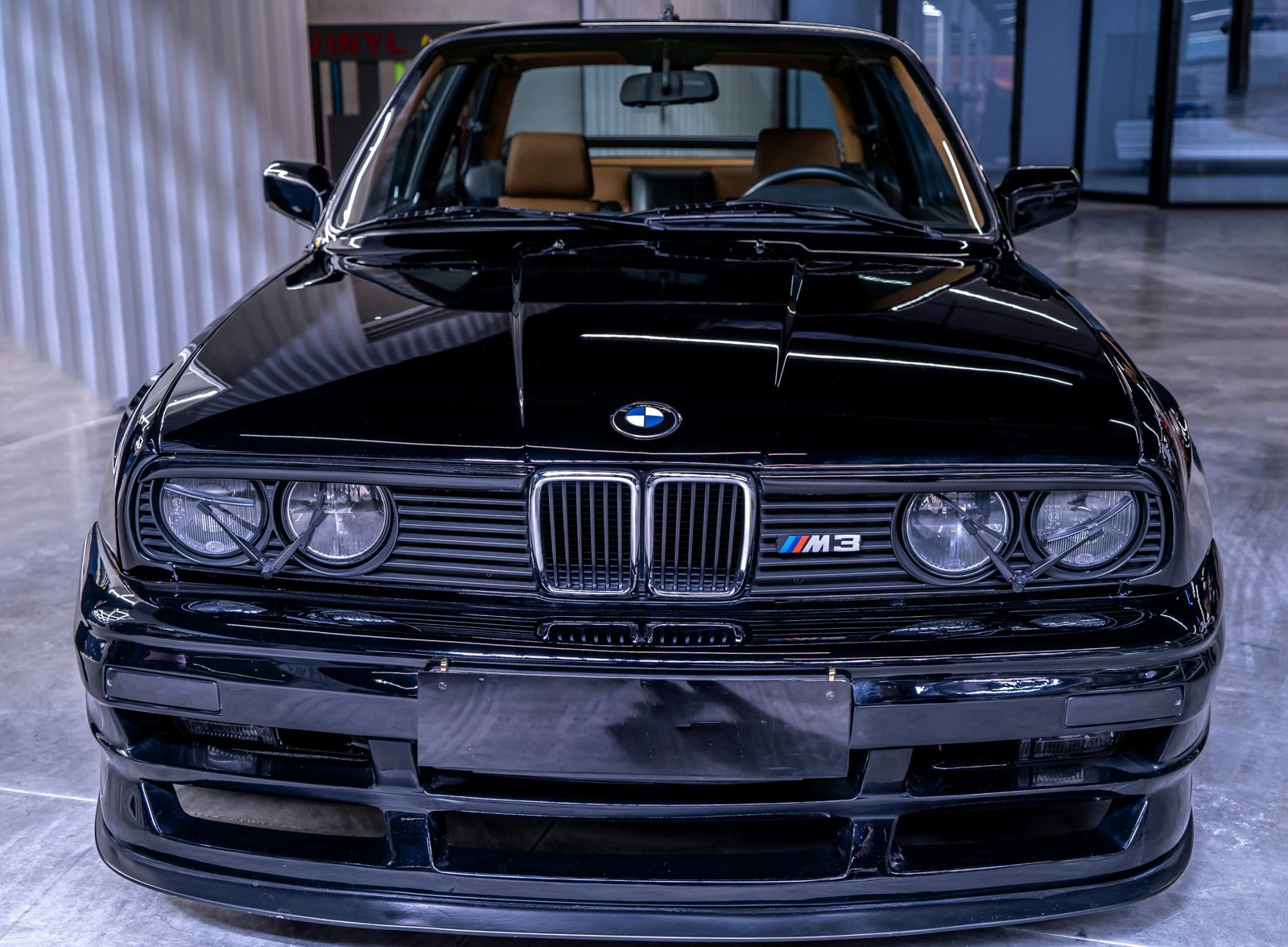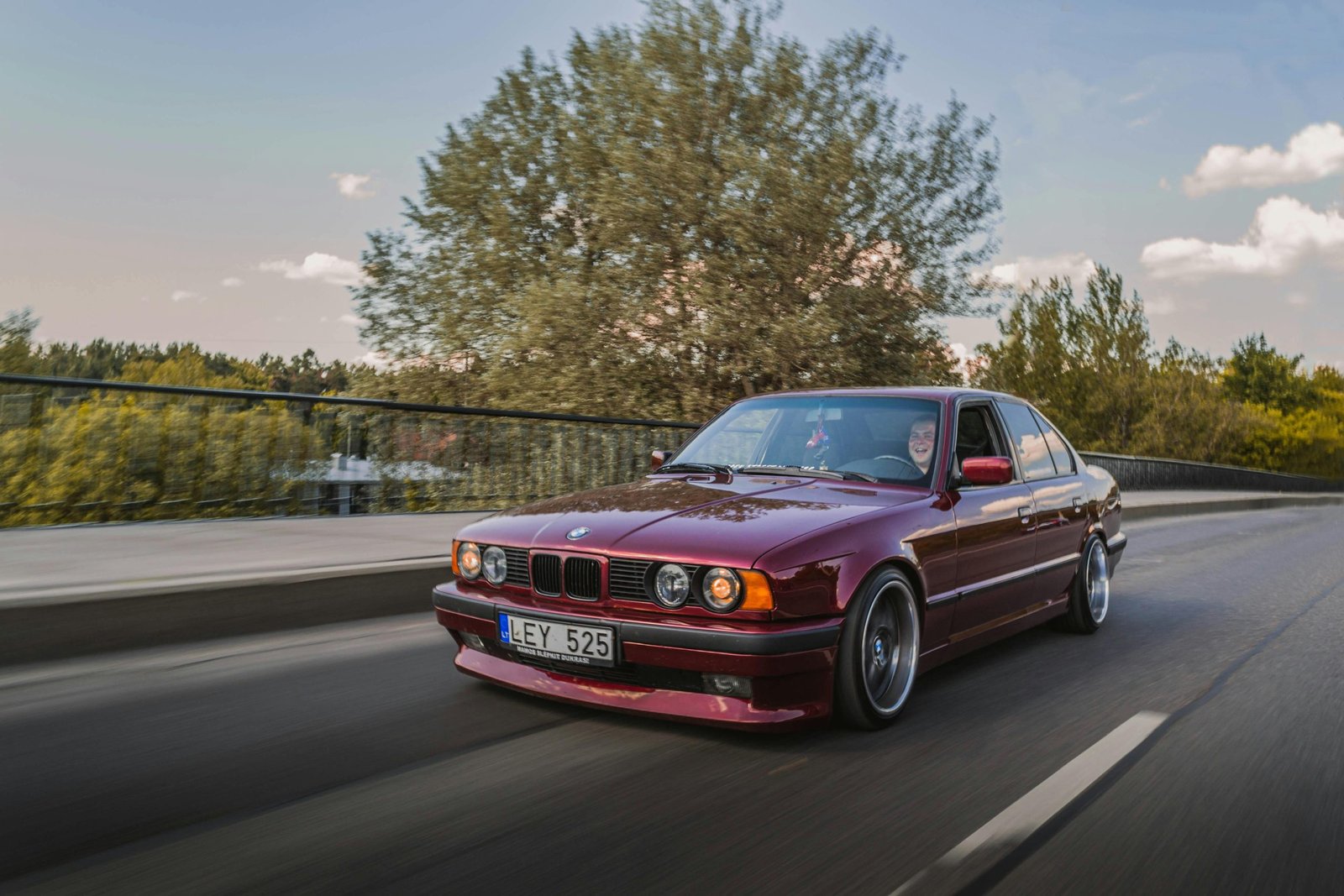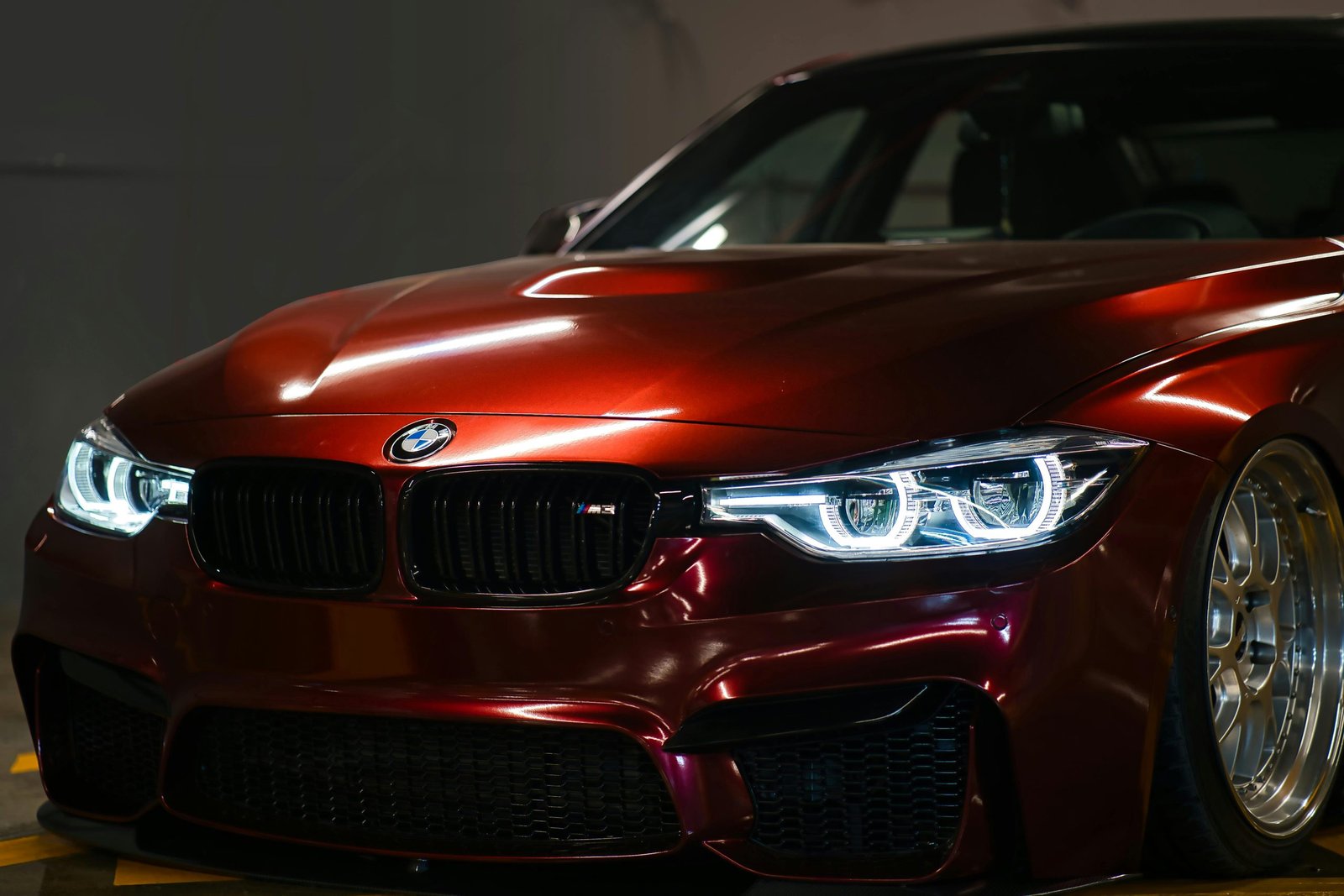
The automotive industry is entering a transformative era. As sustainability, innovation, and smart technology redefine mobility, electric vehicles (EVs) are no longer a niche segment — they are the future. Among the brands leading this transition is BMW, a company long known for performance engineering and driver-focused design.
But how does BMW approach electric mobility? Are BMW electric cars just about efficiency, or do they still deliver the thrilling driving experience the brand is famous for?
In this comprehensive guide, we explain BMW’s electric strategy, technology, key models, and what the future of driving truly looks like.
The Shift Toward Electrification
Global demand for cleaner transportation has accelerated innovation in battery technology and electric drivetrains. Governments worldwide are encouraging reduced emissions, while drivers are seeking lower running costs and advanced tech features.
BMW recognized this shift early and began investing heavily in electric mobility more than a decade ago. Rather than abandoning its identity, BMW redefined it for a new era — combining sustainability with performance.
BMW’s Electric Vision: More Than Just Zero Emissions
BMW’s electric philosophy focuses on three key pillars:
1️⃣ Sustainable Engineering
Electric vehicles reduce tailpipe emissions and lower overall environmental impact when paired with renewable energy sources.
2️⃣ Performance Without Compromise
BMW ensures its EVs maintain strong acceleration, responsive steering, and balanced handling.
3️⃣ Intelligent Connectivity
Modern BMW EVs integrate advanced digital systems, over-the-air updates, and smart driver-assistance technologies.
This balanced approach ensures electric cars remain exciting to drive — not just environmentally responsible.
BMW i Series: The Electric Revolution
BMW’s electric transformation began with the innovative “i” sub-brand.
🚗 BMW i3 – The Pioneer
The BMW i3 was one of BMW’s earliest mass-market electric vehicles. It introduced:
- Lightweight carbon-fiber construction
- Urban-focused design
- Instant electric torque
- Sustainable interior materials
Though compact, the i3 proved BMW could build a fully electric vehicle with distinctive character.
⚡ BMW i4 – Electric Performance Sedan
The BMW i4 blends sport-sedan dynamics with electric efficiency.
Key highlights:
- Rapid acceleration
- Long driving range
- Sporty design inspired by BMW’s performance models
- Advanced infotainment and digital cockpit
The i4 demonstrates that electric sedans can still feel dynamic and engaging.
🚙 BMW iX – Electric Luxury SUV
The BMW iX represents BMW’s flagship electric SUV.
Features include:
- Spacious interior
- Cutting-edge technology
- Powerful electric motors
- Advanced driver-assistance systems
The iX combines comfort and performance in a modern electric package.
How BMW Electric Technology Works
BMW electric vehicles rely on advanced battery systems and electric motors to deliver power efficiently.
🔋 High-Voltage Battery Packs
Modern BMW EVs use lithium-ion battery technology designed for durability and performance. These batteries:
- Store large amounts of energy
- Provide long-range capability
- Support fast-charging options
⚡ Electric Motors
Electric motors provide instant torque, meaning acceleration feels immediate and smooth.
Unlike traditional engines, electric drivetrains:
- Have fewer moving parts
- Require less maintenance
- Operate quietly
Driving Experience: Are BMW EVs Still Fun?
One of the biggest concerns for enthusiasts is whether electric cars can match traditional performance models.
BMW addresses this by focusing on:
Instant Acceleration
Electric torque delivery results in rapid 0–100 km/h times.
Balanced Weight Distribution
Battery placement in the floor improves stability and center of gravity.
Adaptive Suspension
Ensures comfort and dynamic performance depending on driving mode.
The result? Electric BMW models maintain the brand’s signature driving feel — smooth, responsive, and controlled.
Charging and Range Explained
Understanding electric mobility requires clarity about charging and range.
Charging Options:
- Home charging stations
- Public fast-charging networks
- Workplace charging solutions
Range:
Modern BMW EVs offer ranges suitable for daily commuting and long-distance travel, depending on the model and driving conditions.
Technological improvements continue to extend battery range and reduce charging time.
The Role of Sustainability
BMW’s electric strategy goes beyond vehicles. The company focuses on:
- Renewable energy production in manufacturing
- Recyclable battery materials
- Reduced carbon footprint in production processes
Sustainability is integrated into both vehicle design and factory operations.
The Future of BMW Electric Mobility
Looking ahead, BMW plans to expand its electric lineup significantly.
Future developments include:
- Expanded EV model range
- Enhanced battery efficiency
- Greater integration of autonomous driving technology
- Increased charging infrastructure partnerships
BMW aims to ensure that electric vehicles remain practical, high-performing, and desirable.
Benefits of BMW Electric Cars
Here’s why many drivers are switching to BMW EVs:
✅ Lower fuel costs
✅ Reduced maintenance needs
✅ Smooth and quiet ride
✅ Advanced digital technology
✅ Environmental responsibility
✅ Instant torque and strong acceleration
Electric mobility is no longer experimental — it’s becoming mainstream.